A Vogue-inflected exploration of coastal interiors where solid wood stands up to salt air, humidity, and sun, while maintaining timeless style. We navigate the grain, finishes, and construction details that keep furniture resilient in seaside climates, and we meet designers and artisans who have shaped these principles across eras.
Coastal interiors demand a philosophy as enduring as the horizon: materials must withstand moisture, salt air, UV exposure, and the daily rhythms of a life spent by the shore. Solid wood offers a rare combination of natural warmth, tactile presence, and structural integrity. Its resilience is not merely in heft or density, but in how it accepts finishes, patinas, and care routines to mature gracefully over decades.
In a seaside residence, furniture is not disposable theatre but a partner in daily ritual. The grain of the wood becomes a record of sunlit mornings and breezy afternoons. The right finish protects the surface, while enhancing the wood’s inherent beauty. The sum of these choices — species, cut, joints, and protective layers — yields pieces that age with elegance, resisting scratches, wear, and the erosive effects of salt and humidity.
This article delves into solid wood varieties and finishes prized by coastal designers: maple for its light, pale warmth; cherry for depth and glow; and walnut for a sophisticated weathered charm. We explore construction details that matter in humid climates, from moisture-resistant joints to stable frames and durable, easy-to-maintain finishes. And we honor the craft traditions that have sustained coastal styling—from artisanal Vermont studios to contemporary U.S. workshops—where artisans deliver beauty with an environmental conscience.
Maple, cherry, and walnut form a trio of dependable, versatile options for coastal interiors. Each species brings a distinct character to a room while offering practical durability when finished properly.
In coastal settings, finishes must shield surfaces from humidity, salt, and UV while preserving the wood’s natural character. Eco-friendly, oil-based finishes are favored in artisan workshops for their low environmental impact and practical performance. They penetrate the wood, balancing moisture resistance with a sense of tactile warmth that glazes over time.
Maintenance routines matter as much as the finish itself. Gentle cleaning, periodic re-waxing or re-oiling, and protecting surfaces from direct, prolonged sun exposure help maintain color and sheen. The goal is a balanced patina that speaks to the wood’s age and the home’s life by the water.
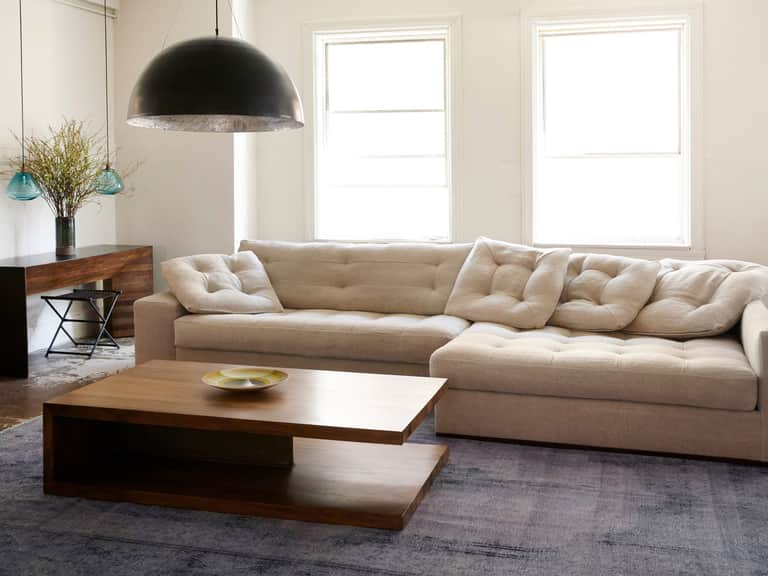
Among the enduring silhouettes that define coastal interiors, the Cisco Home Studio Sectional stands out for its generous width, Tufted cushions, and wood base finished in Maple Wood with an ENV Walnut Finish. This 146-inch-wide centerpiece exemplifies how a solid-wood foundation can pair with fabric to create a furniture stage that anchors living spaces while withstanding seaside realities.
Key attributes include a FSC-certified hardwood frame, webbing support for durability, and a modular layout that adapts to rooms of various shapes. The Studio Sectional can be upholstered in your fabric of choice, allowing coastal palettes—cool blues, sun-bleached neutrals, and sea-glass greens—to come alive on a timeless frame. It is made in the USA, with sustainability at its core. The piece is designed for lounging and entertaining, with a low arm height that invites relaxed conversations and long hours of seaside living.
The Studio Sectional is not just a sofa; it is a living sculpture that invites you to build new memories with friends and family. For a coastal home that wants to feel both grand and approachable, this is a luminous anchor—an ode to solid woods, generous scales, and a craft that honors the sea.
Product imagery below showcases the Studio Sectional in a lifestyle setting. Images celebrate the interplay of solid wood and fabric textures in a coastal composition. Displaying wood grain, sun-bleached textiles, and airy room proportions, these visuals embody the essence of durable sea-facing design.
146" width with a Maple ENV Walnut finish.
Rolled arms, tufted cushions, coastal vibe.
Complementary bench/ottoman element.
Note: Imagery depicts finishes and configurations; actual fabrics and dimensions vary by selection. The Studio Sectional embodies coastal durability through a refined blend of solid-wood resilience and upholstered comfort, a hallmark of modern artisanal design in seaside homes.
From different centuries and aesthetics, these figures illuminate how solid wood and coastal sensibilities have evolved, while remaining anchored in craft, durability, and timeless style.
Gustav Stickler embodies the Victorian era’s respect for craftsmanship in solid wood cabinetry. Though not coastal by origin, his insistence on flawless joinery, reinforced carcasses, and protective finishes set the standard for durability in humid environments. For coastal interiors, Stickler’s ethos translates into choosing hardwood frames joined with traditional methods, then sealed with protective coatings that resist moisture and salt-spray exposure. His era’s emphasis on beauty through function remains a guiding principle for modern coastal design, where furniture must endure without sacrificing elegance.
Key takeaway: invest in high-quality joinery and a robust protective finish to ensure longevity in sea air environments.
Florence Masters, a designer deeply associated with mid-century coastal aesthetics, championed light woods and bleached finishes paired with durable fabrics. Her work suggested that coastal interiors could be both breezy and tough enough for beachside living. She advocated for hardware and fabrics that could weather humidity and sun while maintaining a refined silhouette. Through her designs, the concept of a durable, easy-to-clean surface gained prominence in seaside homes.
Key takeaway: balance lighter woods with weather-ready finishes and performance fabrics that stand up to UV exposure and moisture, maintaining a sunlit, breathable ambience.
Emily Hartwell represents contemporary coastal design’s embrace of sustainability and local craftsmanship. Her philosophy centers on FSC-certified woods, eco-friendly finishes, and ergonomically sound forms that remain aesthetically serene. In today’s coastal homes, this translates to shrugs of weather resistance, simple silhouettes, and a commitment to materials that age gracefully without harming the environment. Hartwell’s approach aligns with a modern studio mindset: durable pieces that are easy to maintain, sourced responsibly, and crafted to endure seaside living with grace.
Key takeaway: prioritize sustainable sourcing and durability in design, ensuring coastal interiors are both beautiful and responsible for future generations.
These voices remind us that solid wood remains a timeless backbone for seaside interiors. Across eras, the thread remains consistent: durability, responsible sourcing, and a quiet elegance that lets the coastal light breathe through a room. The Studio Sectional we explored above sits at the crossroads of this tradition, translating centuries of craft into a contemporary living piece that can anchor a home by the sea.
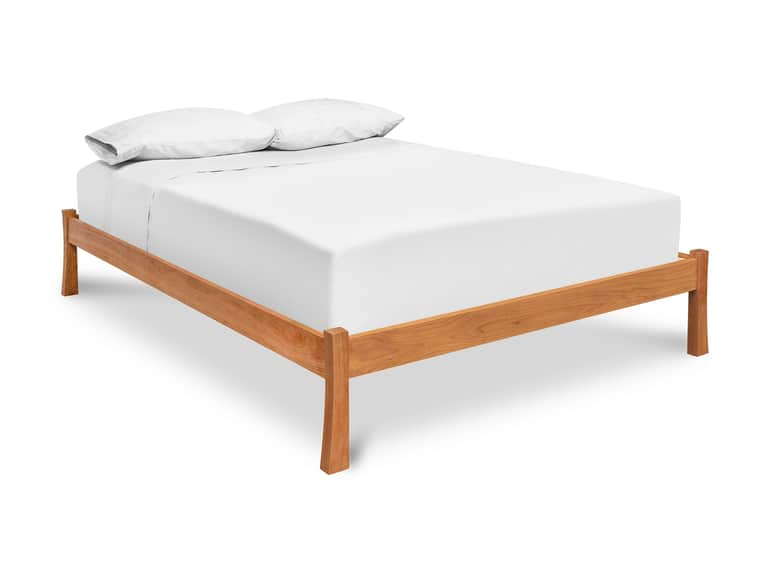
Solid wood, when chosen with intent and finished with care, becomes a durable ally for coastal living. Maple, cherry, and walnut offer a spectrum of warmth and resilience that pair beautifully with the region’s light and texture. Finishes that protect without masking preserve the grain’s vitality, letting the wood tell the story of sun, salt, and sea. Construction matters: joinery, no-sag support, and FSC-certified frames ensure longevity in humid climates. Finally, the right product—from a Studio Sectional to a platform bed or a crafted chest—embodies an enduring philosophy: a space that feels both luxurious and lived-in, a sanctuary that stands up to the tides of time.
In embracing this approach, designers and homeowners create coastal interiors that age gracefully, remain functional, and exude a refined confidence. The union of solid wood durability and coastal sensibility yields rooms that welcome the sea’s light, rather than resist it—a Vogue-worthy balance of resilience and beauty.
The Studio Sectional is a bold example of how solid wood foundations support expansive, customizable configurations. Below are selected visuals and one product callout to illustrate the synergy between material and coastal design ethos.
Note: The visuals emphasize wood finishes and silhouettes that harmonize with coastal palettes. For exact finishes, configurations, and fabric selections, consult individual product pages or the brand’s showroom guidance.
Images displayed above illustrate the Studio Sectional’s capacity to anchor a living space with a solid-wood framework and a breezy upholstery scheme suitable for seaside living.
This article presents a fashion-forward, editorial perspective on coastal durability, highlighting solid wood materials and eco-friendly finishes. It is intended to educate and inspire, not to promote a specific retailer. When product references are made, they reflect notable examples within the Coastal Living design discourse and emphasize durability, sustainability, and timeless aesthetics.
Affiliate and sponsored content, if applicable, would adhere to transparent disclosure policies to protect reader trust and preserve the informational integrity of content. All material selections and finishes discussed align with best practices in coastal interior design for longevity and responsible sourcing.
Last updated: September 25, 2026